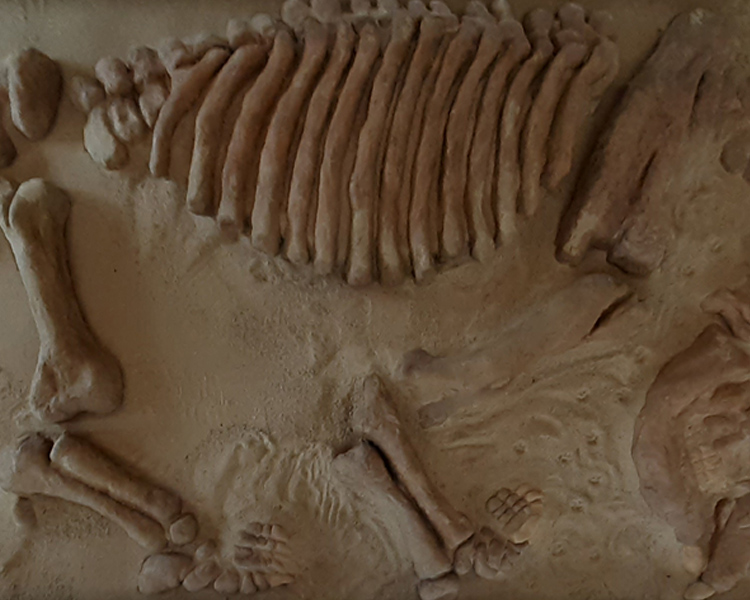
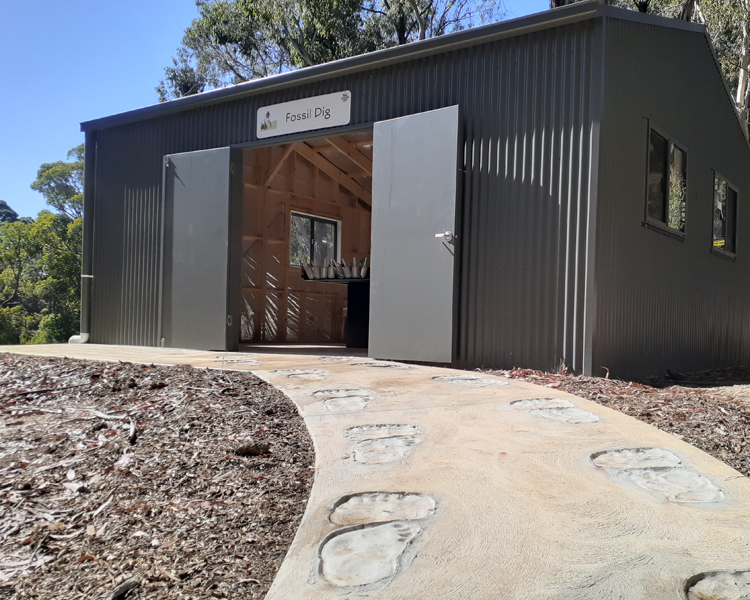
Follow the footprints and step back in time to discover one of Australia's largest Megafauna.
As you travel back 50,000 years through time together to the Pleistocene Epoch Period you will discover a very unique Australian landscape. As you open your eyes and explore this landscape what will you see, what will you uncover and what will you discover?
Become a paleontologist within this special period of time in Australian History and you will begin to uncover the largest marsupial that lived throughout the landscape of Australia. With very unique features like:-
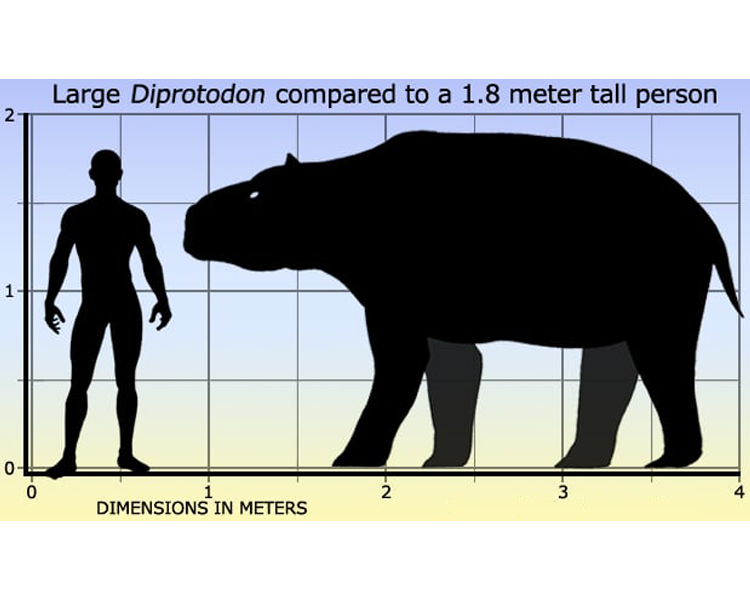
- Height - 1.8m to 2m
- Length - 3m to 4m
- Weight - 2,000kg to 2,800kg
- Habitat all of Austraila
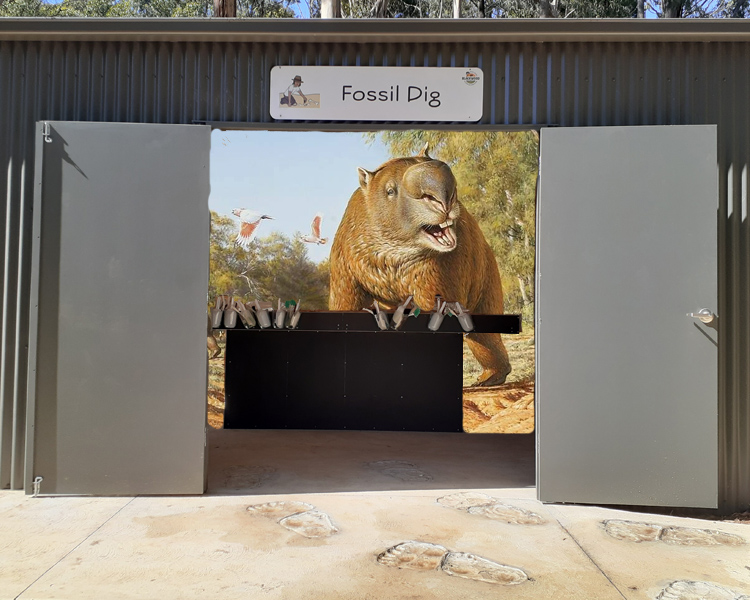
- Name meaning "two forward teeth" in Greek
- Diet they were herbivores, and ate shrubs and plants
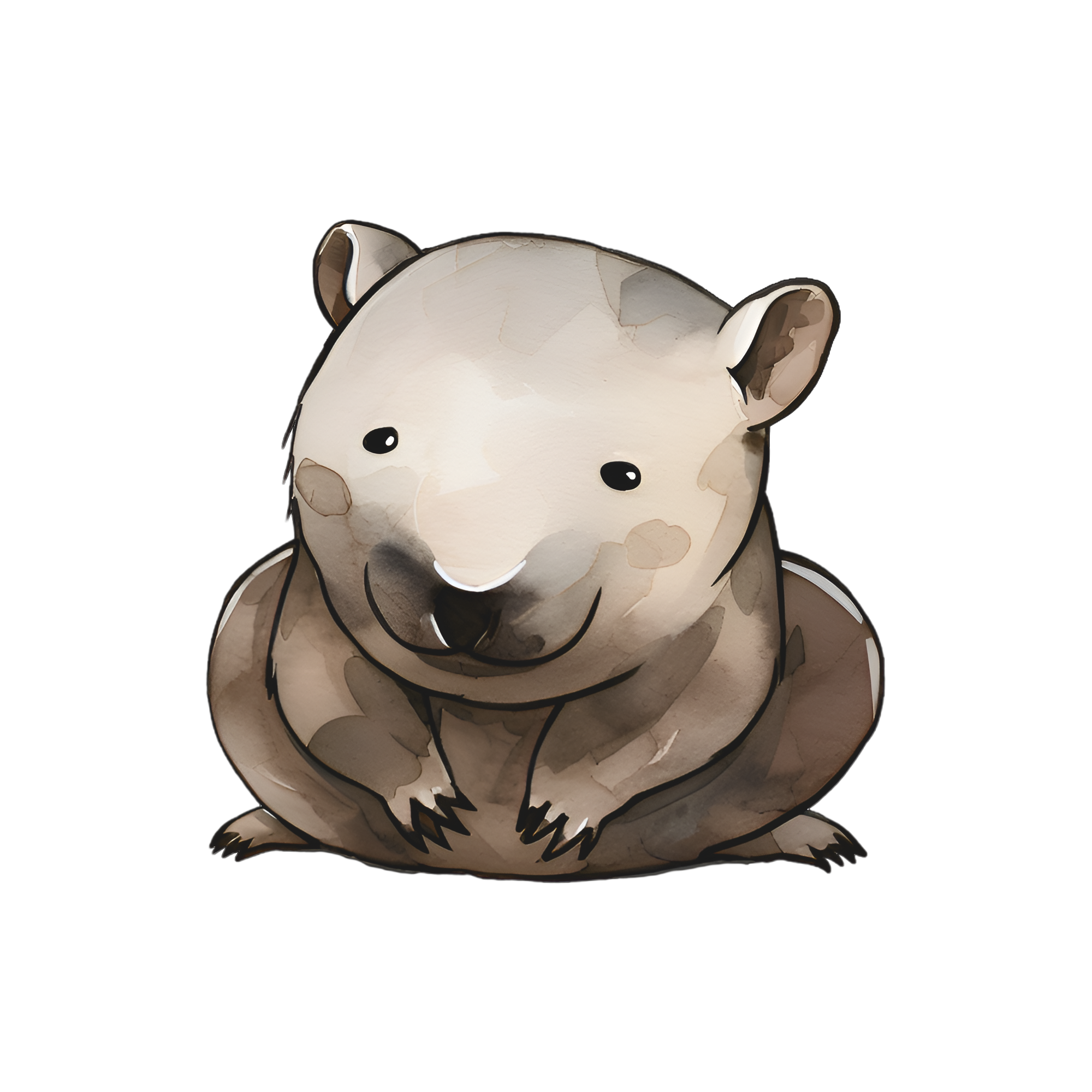
- Appearance a heavy, thick body, pillar-like legs, and a small, koala-like nose
- Pouch direction backward-facing pouches, which helped prevent them from filling with dirt while digging
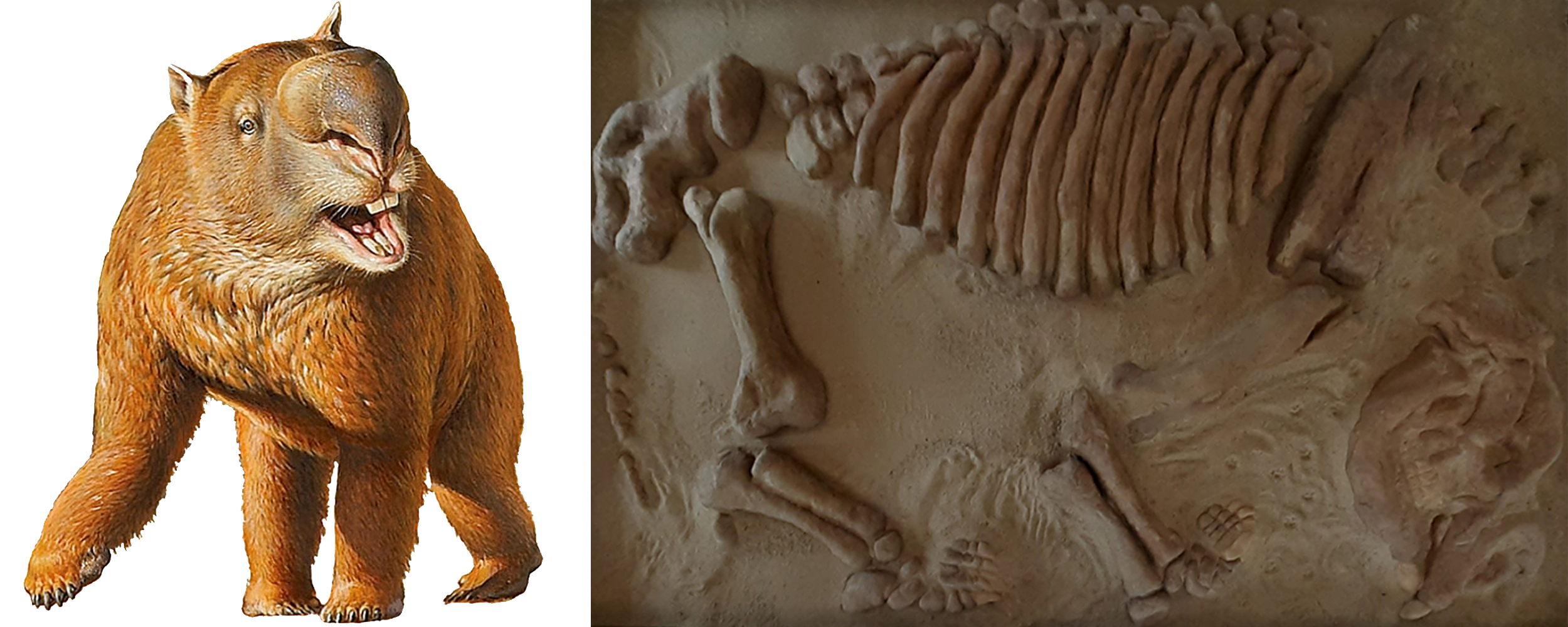
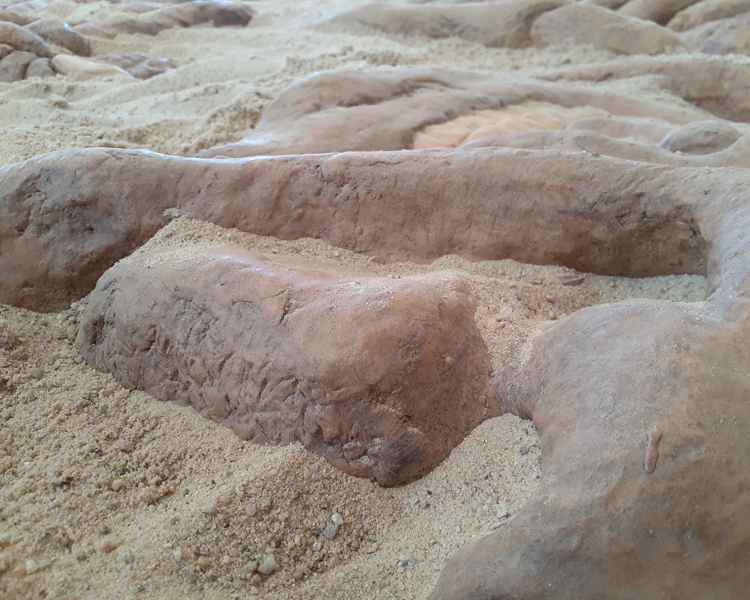
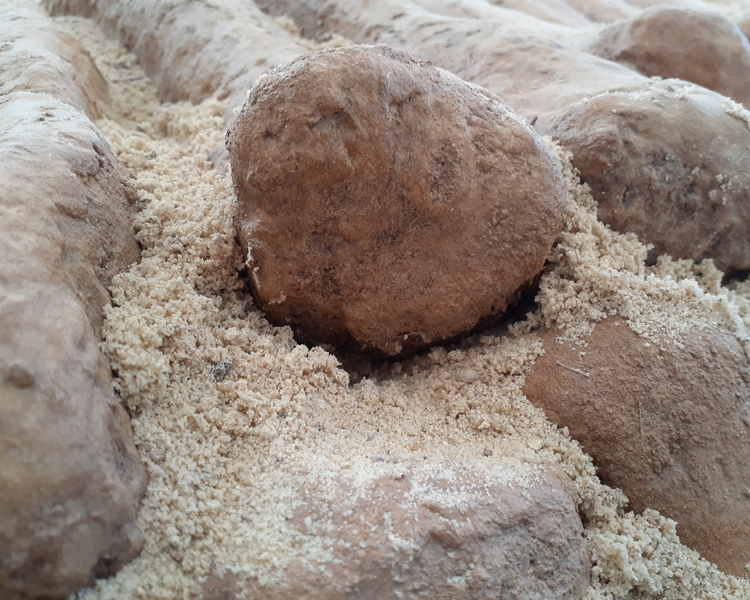
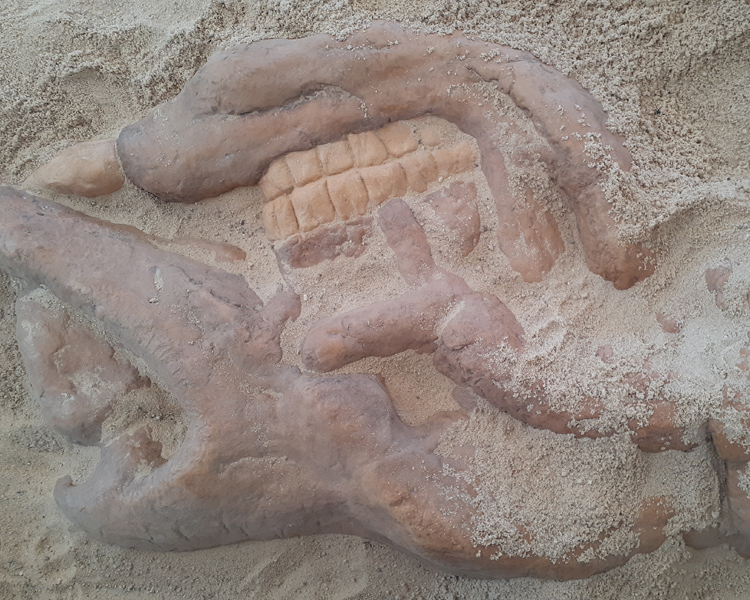
- "Banana" Teeth they had upper front teeth that were as big as bananas
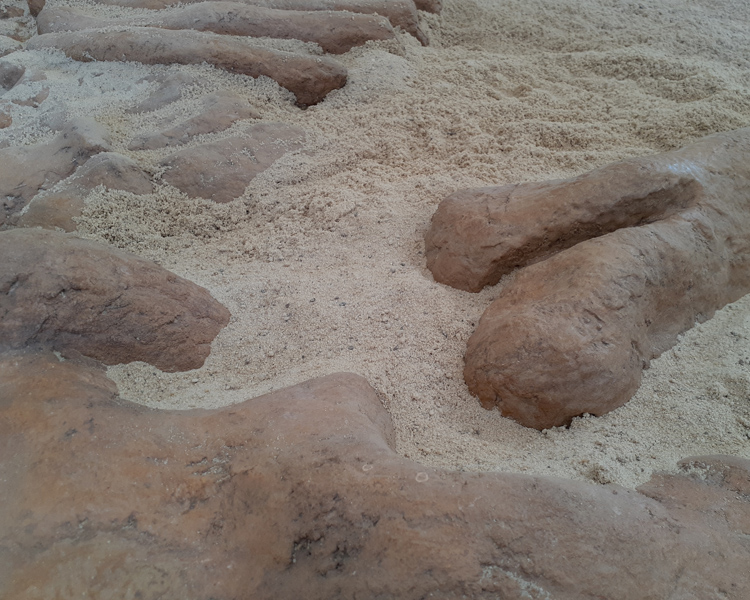
- Fossil evidence footprints show they had hairy feet
- Closest Relatives wombats are their nearest living relatives. They are also related to koalas
- Extinction died out around 25,000 years ago possibly due to climate change
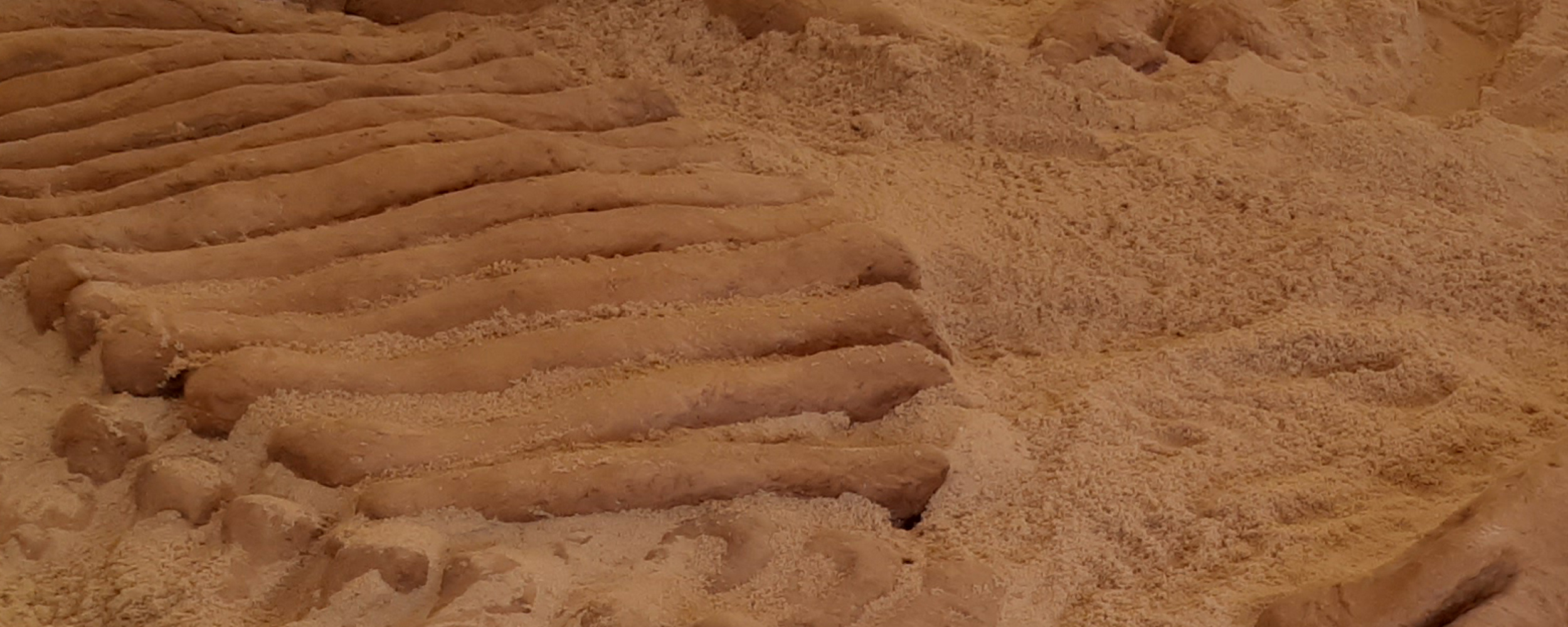
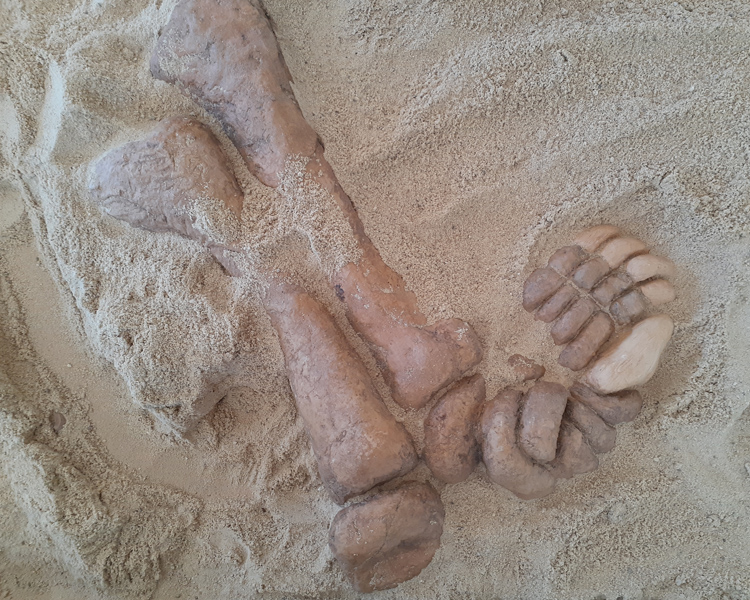
What have you found?
Let's discover
& learn.
Important Information
About this activity
Minimum time allocation:
1½hr
Related Lesson:
Curriculum learning area/capability:
Science Understanding - Biological Sciences Level 3/4
Students learn that: living things have characteristics that distinguish them from non-living things and things that were once living, including fossils - VC2S4U01
Elaborations:
This may involve students:
Cross-curriculum priorities -
classifying a collection of objects as living, once-living or non-living and explaining their reasoning
making fossil impressions using natural materials such as sea shells, leaves, flowers and bark, or using plastic or metal dinosaur or animal toys set into clay or modelling dough
History of this Activity
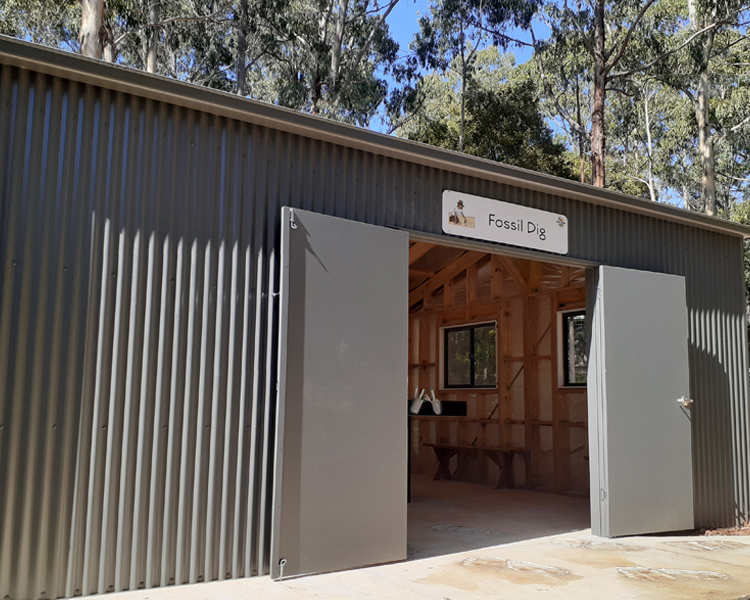
2026 - Fossil Dig established at Blackwood Special Schools Outdoor Education Centre
*Blackwood Staff can never be considered as part of any staff : student ratio during the delivery of any lesson)